
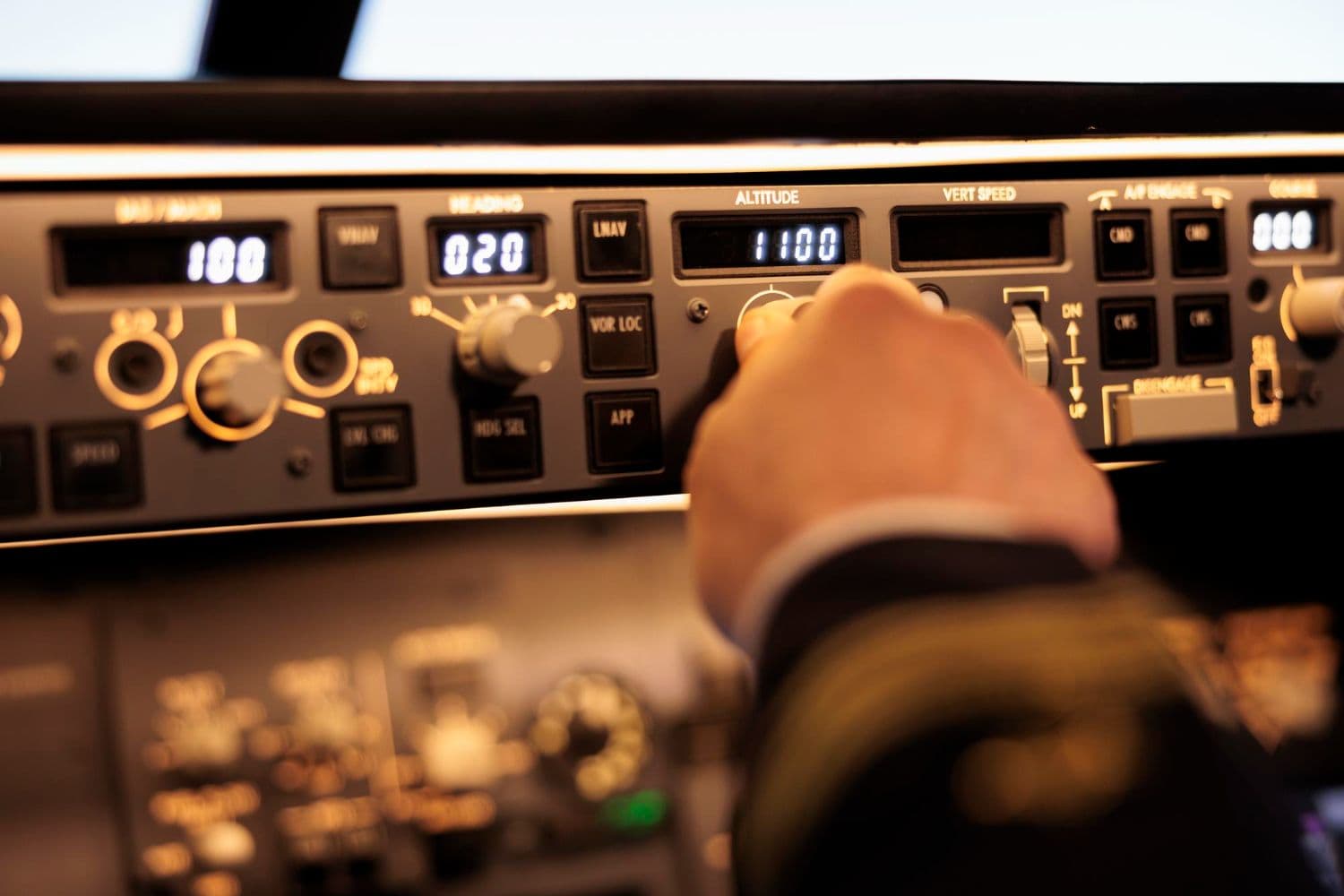


Starting November 2025, the Directorate General of Civil Aviation (DGCA) has officially taken over Radio Telephony Restricted (Aeronautical) examinations from the Wireless Planning & Coordination Wing (WPC). This landmark change brings RTR(A) under the same authority that conducts all other pilot licensing exams, creating a unified examination system for aspiring aviators.
Whether you're a new student planning to start your aviation journey or a repeat candidate with pending RTR papers, this guide explains everything you need to know about the new RTR(A) examination system.
Why Did DGCA Take Over RTR(A)?
For years, student pilots faced challenges with the WPC-conducted RTR(A) examination. Long waiting periods between exam batches, unclear guidelines, and inconsistent evaluation practices were common concerns raised by the aviation training community.
DGCA's takeover addresses these issues by bringing standardization, transparency, and more frequent examination opportunities. The move aligns RTR(A) with other DGCA examinations, making the entire CPL licensing process more streamlined.
What Has Changed?
The transition from WPC to DGCA brings several important changes that affect how you register, where you appear, and how often exams are conducted.
Registration Portal: RTR(A) registration has moved from WPC systems to the eGCA portal (egca.dgca.gov.in). This is the same portal used for other licensing activities, though different from the Pariksha portal used for CPL written exams.
Computer Number Requirement: Just like other DGCA examinations, you now need a valid DGCA computer number to register for RTR(A). If you don't have one yet, apply through the Pariksha portal before attempting RTR registration.
Examination Centers: Written exams are conducted at five major cities - Delhi, Mumbai, Hyderabad, Kolkata, and Chennai. The practical examination initially operates only from Delhi, with more centers planned as infrastructure develops.
Exam Frequency: Under WPC, RTR batches were limited to April, August, and November. DGCA plans to conduct exams every three months initially, eventually moving to every two months. This significantly reduces waiting time between attempts.
Regulatory Framework: The examination now follows the Radio Telephone Operator (Restricted) Certificate and Licence Rules, 2025, along with DGCA CAR Section 7, Series 'G', Part VI.
RTR(A) Exam Structure Under DGCA
The RTR(A) examination continues to have two components, but the practical examination has a clearly defined structure under DGCA.
Written Examination
The written paper remains MCQ-based and tests your knowledge of radio wave propagation, aviation communication equipment, standard phraseology, distress procedures, and radio navigation aids. DGCA conducted the first written examination (RTR 01 of 2025) in the regular session format.
Practical Examination
The practical examination, commencing from January 1, 2026, follows a scenario-based format that simulates real flight communication situations.
Duration: Approximately 30 minutes total
Format: Six sequential scenarios, each lasting about 5 minutes
Scenario Content: Each scenario simulates different phases of flight operations including pre-flight radiotelephony checks and clearance delivery, communication during various flight phases like taxi, takeoff, cruise, approach and landing, and handling unusual situations including priority and emergency communications.
Information Provided: Before starting, you'll see the aerodrome layout showing runways, taxiways, and parking stands, along with the ATS route chart applicable to your scenario. Flight details including call sign, aircraft type, registration, persons on board, and endurance will be displayed. You'll also have access to operational information such as runway in use, VHF frequencies, METAR, and any applicable NOTAMs.
Assessment Criteria: Examiners evaluate your use of standard ICAO phraseology, clarity of communication, accuracy of readbacks and acknowledgments, and proper handling of emergency situations.
Important Rules for the Practical Exam
Understanding these rules before your examination will help you perform better and avoid common mistakes.
Sequential Progression: Scenarios appear one after another on your screen. Once you complete or skip a scenario, you cannot return to it. Plan your time carefully within each scenario.
Time Management: While the total exam is 30 minutes, aim to complete each scenario within 5 minutes. If you're stuck, you can request the examiner to move to the next scenario rather than wasting time.
Reference Materials: You can only use the information displayed on your screen - aerodrome data, flight details, charts, and weather information provided for each scenario. No external reference material, notes, or documents are permitted.
Communication Standards: Non-standard, ambiguous, or incorrect phraseology will negatively affect your assessment. Practice standard ICAO phraseology thoroughly before appearing for the practical.
Registration Process on eGCA Portal
The eGCA portal for RTR practical examination slot selection opens from January 1, 2026. Here's how to register:
First, ensure you have a valid DGCA computer number. If you don't have one, register on the Pariksha portal (pariksha.dgca.gov.in) and complete the verification process. CBSE students can get instant verification through DigiLocker, while others may need to wait 15-30 days for manual verification.
Once you have your computer number, visit the eGCA portal at egca.dgca.gov.in. Log in using your credentials and navigate to the RTR examination section. Select your preferred slot for the practical examination based on availability. Complete any required documentation and fee payment.
For detailed guidance, refer to Annexure-1 of the DGCA Public Notice dated regarding RTR Practical Examination conduct.
Guide for New Students
If you're just starting your aviation journey, the new system actually works in your favor. Here's how to approach RTR(A) under DGCA.
Get Your Computer Number First: Before anything else, register on the Pariksha portal and obtain your DGCA computer number. This is now mandatory for RTR(A) registration, just like your other DGCA exams.
Prepare for Written First: Clear the RTR written examination before the practical. The written paper tests theoretical knowledge that forms the foundation for practical communication skills.
Practice Phraseology: Start practicing standard ICAO phraseology early. Listen to live ATC communications, practice with fellow students, and use simulation tools if available at your training institute.
Understand the Practical Format: Familiarize yourself with the six-scenario format. Practice handling different flight phases and emergency situations in sequence.
Register Early: With more frequent exam opportunities, plan your attempts strategically. Don't wait for the last possible date as slots may fill up.
Guide for Repeat Students and WPC Candidates
If you attempted RTR under WPC or have pending papers, here's what you need to know.
Cleared Written Under WPC: If you passed the RTR written examination under WPC before November 2025, your result should remain valid. However, check the DGCA website for specific transition guidelines regarding practical examination eligibility. The practical exam format has changed significantly, so prepare for the new scenario-based pattern.
Pending Practical Under WPC: If you cleared written but hadn't appeared for practical under WPC, you'll now appear through the eGCA portal under DGCA's new format. Ensure your credentials and results have been transferred to the DGCA system.
Failed Attempts Under WPC: Previous failed attempts under WPC don't carry forward in the same way. Register fresh on the eGCA portal and follow DGCA's examination schedule.
Documentation: Keep all your WPC examination records, admit cards, and results safe. You may need them for verification during the transition period.
If you're unclear about your status, contact DGCA directly or check official notifications on their website regarding transition candidates.
Preparation Strategy for RTR(A)
Success in RTR(A) requires both theoretical knowledge and practical communication skills. Here's a comprehensive preparation approach.
For the Written Examination
Study radio wave propagation basics, understanding how VHF, HF, and other frequencies behave in aviation contexts. Learn aviation communication equipment types, their functions, and limitations. Master standard phraseology for all flight phases, not just routine situations. Understand distress (MAYDAY) and urgency (PAN PAN) procedures thoroughly. Review radio navigation aids and their communication aspects.
Use DGCA CAR Section 7, Series 'G', Part VI as your primary reference. Supplement with standard radiotelephony manuals used in your flying training organization.
For the Practical Examination
Practice makes perfect for the practical exam. Simulate complete flights from startup to shutdown, practicing all communication phases. Record yourself and review for clarity, pace, and accuracy. Practice with time pressure, limiting yourself to 5 minutes per scenario. Study aerodrome layouts of major Indian airports, understanding taxiway and runway naming conventions. Practice METAR and NOTAM interpretation as you'll need to use this information during scenarios.
Work with your flying training organization to arrange mock RTR practical sessions. Many institutes now offer scenario-based practice sessions aligned with DGCA's new format.
Common Mistakes to Avoid
Learning from others' mistakes helps you perform better. Here are common errors candidates make in RTR examinations.
Phraseology Errors: Using non-standard phrases like "say again" instead of the correct "say again" or improvising when you don't know the correct term. Stick to ICAO standard phraseology.
Readback Failures: Not reading back critical information like runway assignments, altimeter settings, and clearances. Always read back what needs to be read back.
Stepping on Transmissions: Starting to speak before the controller or other aircraft finishes. Practice proper timing and listening skills.
Panic During Emergencies: Losing composure when emergency scenarios appear. Practice emergency communications so they become second nature.
Poor Time Management: Spending too long on one scenario and rushing others. Maintain steady pacing across all six scenarios.
Ignoring Provided Information: Not using the METAR, NOTAMs, or chart information provided for the scenario. Examiners expect you to reference and use this data appropriately.
Benefits of DGCA Conducting RTR(A)
The transition brings several advantages for aspiring pilots.
Single Authority: All your pilot licensing examinations now fall under DGCA, eliminating coordination between multiple government bodies.
More Frequent Exams: Moving from three batches per year to potentially six means shorter waiting periods and faster license completion.
Standardized Evaluation: DGCA's established examination infrastructure brings consistent evaluation standards across centers.
Digital Integration: Registration through eGCA portal integrates with your overall licensing file, reducing paperwork and documentation hassles.
Grievance Redressal: A formal system now exists to address student concerns and feedback, something that was often lacking under the previous system.
Transparency: Clear guidelines, published patterns, and standardized processes make preparation more straightforward.
Frequently Asked Questions
Is RTR(A) still conducted by WPC?
No. From November 2025, DGCA conducts all RTR(A) examinations. WPC no longer handles aviation radiotelephony licensing.
Do I need a DGCA computer number for RTR(A)?
Yes. A valid DGCA computer number is now mandatory for RTR(A) registration, just like other DGCA pilot examinations.
Which portal do I use for RTR(A) registration?
Use the eGCA portal (egca.dgca.gov.in) for RTR examination registration and slot booking. This is different from the Pariksha portal used for CPL written exams.
How long is the RTR practical exam?
The practical examination is approximately 30 minutes, consisting of 6 scenarios of about 5 minutes each.
Can I skip a difficult scenario and return to it later?
No. Once you attempt or skip a scenario, you cannot return to it. The examination progresses sequentially.
Where can I give the RTR practical exam?
Currently, practical examinations are conducted only in Delhi. More centers will be added as DGCA develops examination infrastructure.
What if I cleared RTR written under WPC?
Your written result should remain valid, but check DGCA's official transition guidelines for practical examination eligibility and process.
How often will RTR exams be conducted?
Initially every three months, with plans to increase frequency to every two months.
What documents should I carry for the exam?
Carry your admit card downloaded from eGCA portal and valid photo identification (Aadhaar, Passport, or Driving License).
Where can I find the official RTR examination rules?
Refer to the Radio Telephone Operator (Restricted) Certificate and Licence Rules, 2025 and DGCA CAR Section 7, Series 'G', Part VI on the official DGCA website.
Conclusion
DGCA taking over RTR(A) examinations marks a positive step toward a more efficient and transparent pilot licensing system in India. While the transition requires some adjustment, especially for candidates who were familiar with the WPC process, the long-term benefits of standardization, more frequent exams, and integrated registration far outweigh the short-term changes.
For new students, this is an opportunity to experience a streamlined system from the start. For repeat candidates, ensure you understand the transition guidelines and prepare for the new practical examination format.
Stay updated with official DGCA notifications, prepare thoroughly using standard phraseology resources, and practice scenario-based communication. With proper preparation, the new RTR(A) examination system should help you clear this important milestone in your aviation career efficiently.
Your journey to the cockpit continues. The radio is now in your hands.